ICCCSP 2027
11th International Conference on Computer, Communication and Signal Processing
June 23 - 25, 2027
Special Focus on
Intelligent Digital Convergence for Next-Generation Computing
Sri Sivasubramaniya Nadar College of Engineering
ABOUT ICCCSP 2027
The 11th International Conference on Computer, Communication and Signal Processing (ICCCSP '27) is envisioned as a premier global forum for researchers, academicians, industry professionals, and practitioners to explore recent advances and emerging trends in computer science, communication systems, and signal processing. The 2027 edition is centered on the theme Intelligent Digital Convergence for Next-Generation Computing, emphasizing the convergence of intelligent systems, next-generation networks, and computing paradigms across core engineering and technological domains. As intelligent digital technologies continue to converge and reshape industries and society, ICCCSP '27 highlights the development and deployment of AI-driven, connected, and autonomous systems that are effective, scalable, and ethically responsible. The conference aims to showcase cutting-edge research and real-world applications in areas such as AI-driven intelligent systems, data science and analytics, signal processing and computer vision, IoT and smart systems, cloud and distributed computing, cybersecurity, next-generation communication networks, robotics and cyber-physical systems, immersive technologies, and quantum computing. In addition, the conference encourages discussions on ethical, transparent, and trustworthy AI practices to ensure that these converging technologies contribute to sustainable, inclusive, and socially beneficial technological progress.
ABOUT US
Our College
Highlights of SSN College of Engineering:
- Merit based admissions
- Excellent placement record
- Consistently ranked among the top 3 colleges affiliated to Anna University, Chennai
- 230 acre state-of-the-art campus with world class infrastructure
- Highly qualified and dedicated faculty with over 95% of the faculty holding Ph.D
- Focus on 360 degree development of students
- Technology Enabled Learning

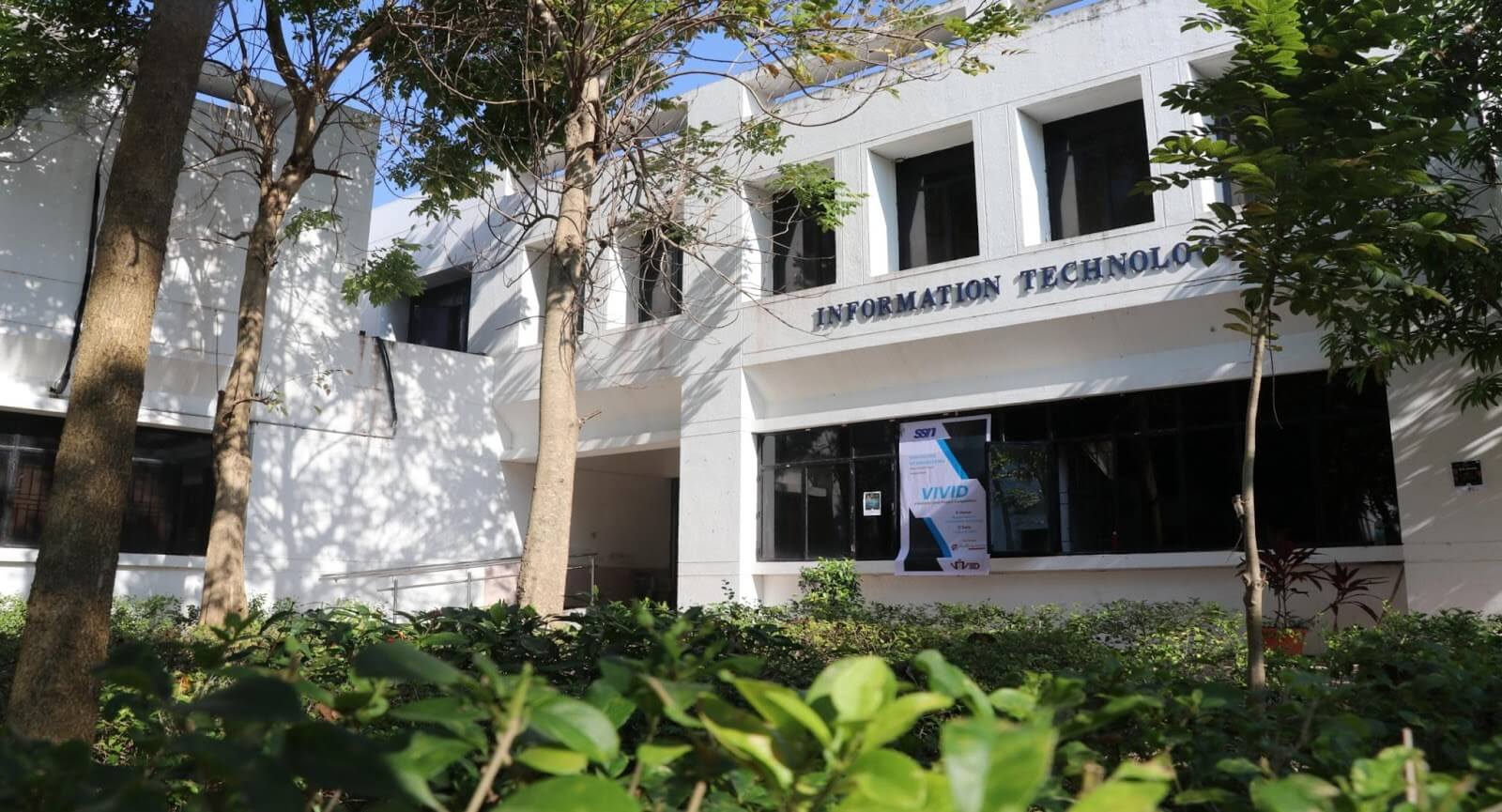
Our IT Department
- Accredited by NBA since 2007-2008 and by NAAC since 2017.
- All faculty hold Ph.D.s from IISc, IIT, AIT, and Anna University.
- The department currently has projects sponsored by DST, DRDO, MeitY, BRNS, AICTE, TNSCST, and etc.
- Total Project Grants received from External Agency is 197.68 lakhs
- State-of-the-art laboratories & Premium research facilities
IMPORTANT DATES
| EVENT | Date |
|---|---|
| Paper Submission Opens from | January 15, 2027 |
| Paper Submission Deadline | March 25, 2027 |
| Paper Acceptance Notification Starts | May 15, 2027 |
| Registration opens on | May 18, 2027 |
| Conference | June 23 - 25, 2027 |
TOPICS OF INTEREST
The conference committee invites submissions of manuscripts on conference theme which includes but are not limited to the following topics:
Track I: AI-Driven Intelligent Systems and Applications
- Artificial Intelligence and Machine Learning algorithms
- Deep Learning, Reinforcement Learning, and Generative AI
- Explainable AI (XAI) and Responsible AI
- AI-driven decision support and predictive analytics
- Computer Vision, Natural Language Processing, and Speech Processing
- Edge AI, TinyML, and real-time intelligent systems
- AI ethics, fairness, privacy, and trustworthy intelligent systems
- AI for climate change, renewable energy, and environmental sustainability
- Intelligent healthcare and precision medicine
- AI for smart agriculture and food security
- Sustainable smart cities and intelligent transportation systems
- AI applications for the United Nations Sustainable Development Goals (SDGs)
Track II: Data Science, Big Data Analytics and Business Intelligence
- Big data architectures and distributed analytics
- Data mining, knowledge discovery, and predictive analytics
- Business intelligence and decision support systems
- Data visualization and interactive analytics
- Streaming data analytics and real-time processing
- AI-driven data analytics and recommendation systems
- Data governance, quality, and ethical analytics
Track III: Intelligent Signal Processing and Computer Vision
- Digital Signal Processing and Adaptive Filtering
- Image Processing and Image Enhancement
- Computer Vision and Pattern Recognition
- Machine Learning and Deep Learning for Vision
- Biomedical Signal and Medical Image Processing
- Speech, Audio and Multimedia Signal Processing
- Video Analytics and Intelligent Surveillance
- Object Detection, Tracking and Scene Understanding
- Remote Sensing and Hyperspectral Image Analysis
- AI-Driven Intelligent Vision Systems and Applications
Track IV: Internet of Things (IoT) and Smart Systems
- IoT architectures, protocols, and middleware
- Smart cities, smart homes, and smart transportation
- Industrial IoT (IIoT) and intelligent manufacturing
- Wireless sensor networks and intelligent sensing
- Edge IoT, fog computing, and real-time monitoring
- IoT security, privacy, and trust management
- AI-enabled IoT applications and automation
Track V: Cloud, Edge and Distributed Computing
- Cloud computing architectures and virtualization
- Multi-cloud and hybrid cloud computing
- Edge computing and fog computing frameworks
- Distributed systems and microservices
- Resource scheduling and workload optimization
- Serverless computing and container orchestration
- Cloud-native applications and scalable services
Track VI: Cybersecurity, Privacy and Blockchain Technologies
- Network and cloud security
- Blockchain technologies and decentralized applications
- Identity and access management
- Cryptography and secure communication
- Digital forensics and cyber threat intelligence
- Privacy-preserving AI and secure data sharing
- Security for IoT, cloud, and distributed systems
Track VII: Next-Generation Communication Networks (5G/6G)
- AI-enabled wireless, 5G/6G, and next-generation networks
- Intelligent network management and optimization
- Software-defined networking (SDN) and network virtualization
- Massive IoT connectivity and ultra-low latency communication
- Intelligent signal processing and communication systems
- Edge intelligence and mobile cloud computing
- Network security, resilience, and future internet technologies
Track VIII: Intelligent Robotics, Automation and Cyber-Physical Systems
- Autonomous robots and intelligent control systems
- Human-robot interaction and collaborative robotics
- Industrial automation and smart manufacturing
- Embedded systems and cyber-physical systems
- Digital twins and intelligent monitoring
- Autonomous vehicles and unmanned systems
- Robotics applications in healthcare, agriculture, and industry
Track IX: Augmented, Virtual and Mixed Reality (AR/VR/MR) with Digital Twins
- Augmented Reality (AR), Virtual Reality (VR), and Mixed Reality (MR)
- Extended Reality (XR) applications and immersive user experiences
- Digital Twin technologies for smart cities and industrial systems
- Metaverse technologies and virtual collaboration platforms
- AR/VR applications in healthcare, education, and training
- Immersive visualization and simulation for engineering and manufacturing
- Human–computer interaction in immersive environments
- AI-enabled digital twins and predictive analytics
- Smart infrastructure monitoring using digital twins
- Social impact applications of immersive technologies for healthcare, disaster management, accessibility, and sustainable development
Track X: Quantum Computing and Quantum Information Technologies
- Quantum algorithms and computational models
- Quantum machine learning and AI
- Quantum cryptography and secure communication
- Quantum networking and quantum internet
- Quantum error correction and fault-tolerant computing
- Quantum software frameworks and programming
- Applications of quantum computing in science and engineering
SUBMISSION
Will be updated soon.
REGISTRATION
Will be updated soon.
CHAIRS and EDITORS
ADVISORY COMMITTEE
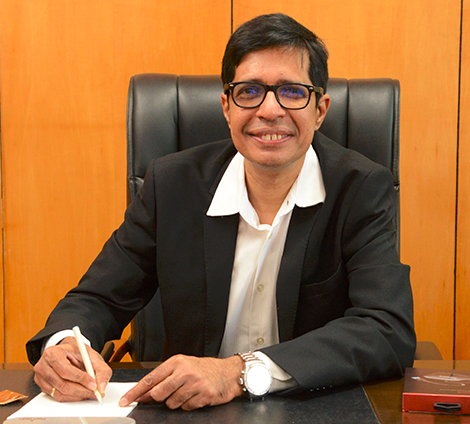
Prof. V. Kamakoti,
Director
Indian Institute of Technology Madras (IIT Madras), India
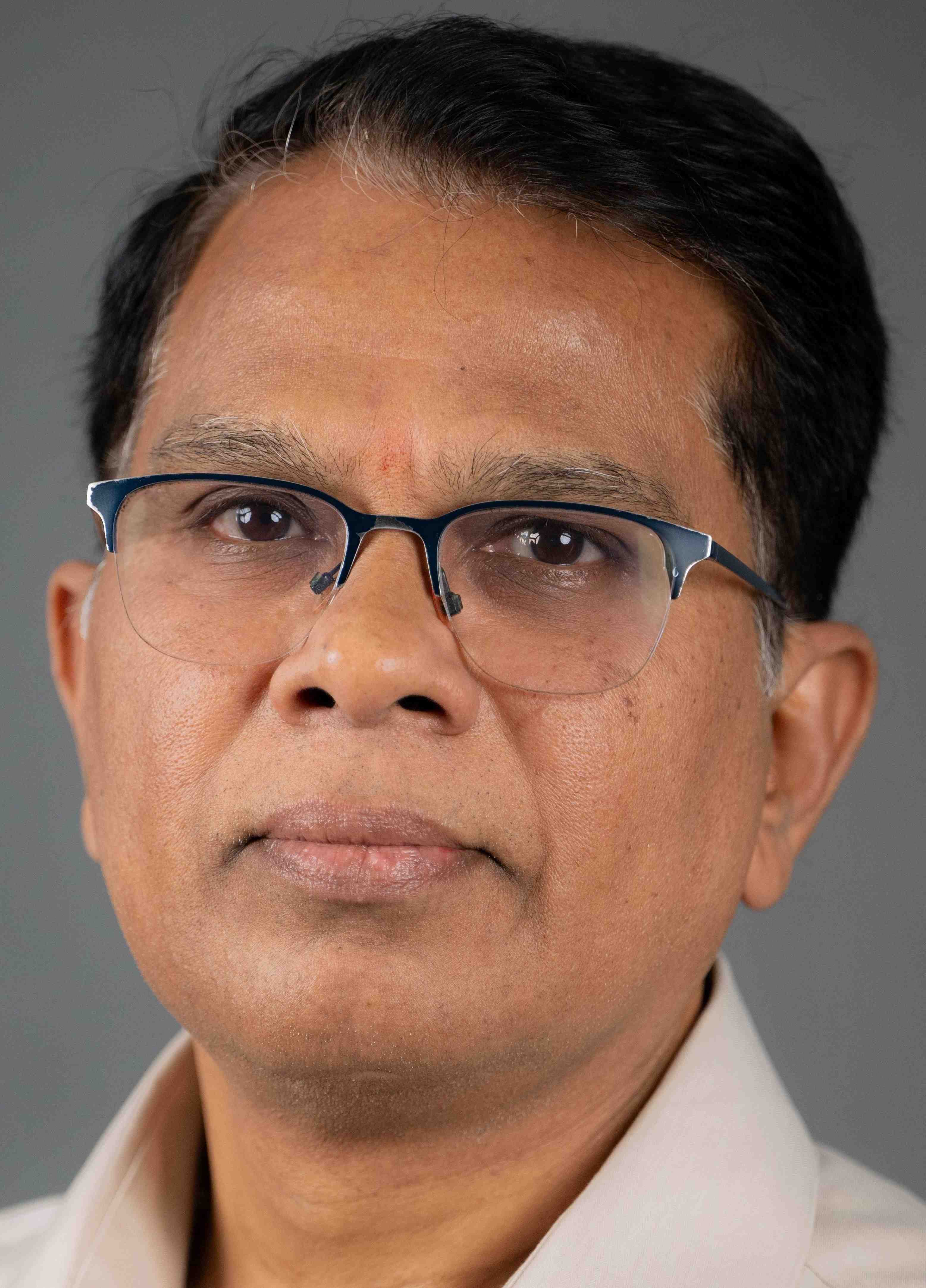
Prof. Gnana Bhaskar Tenali,
Department Head and Professor of Mathematical Sciences
Florida Institute of Technology, USA
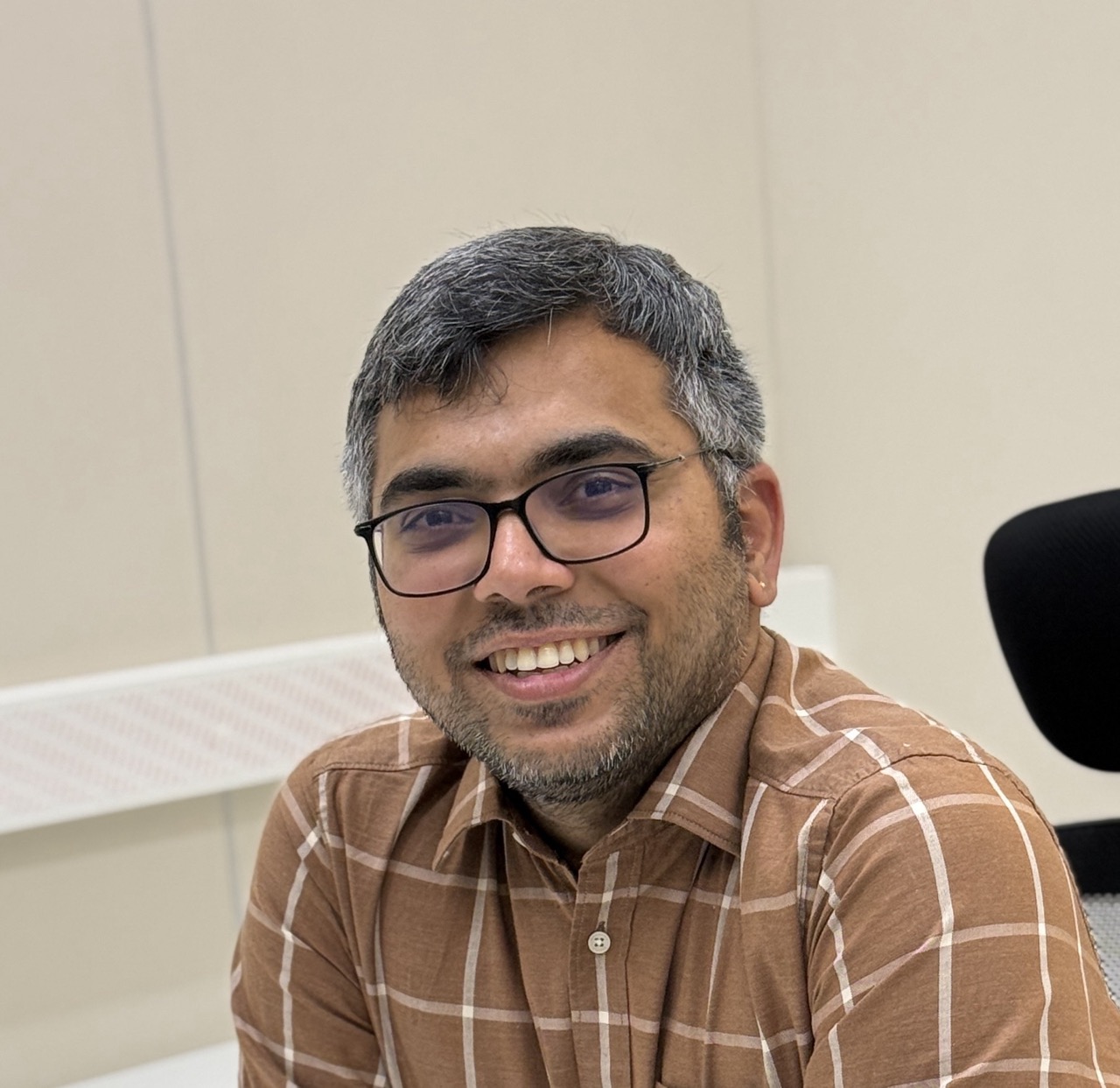
Dr. Patanjali S L P S K,
Assistant Professor
Wadhwani School of Data Science and Artificial Intelligence, IIT Madras, India
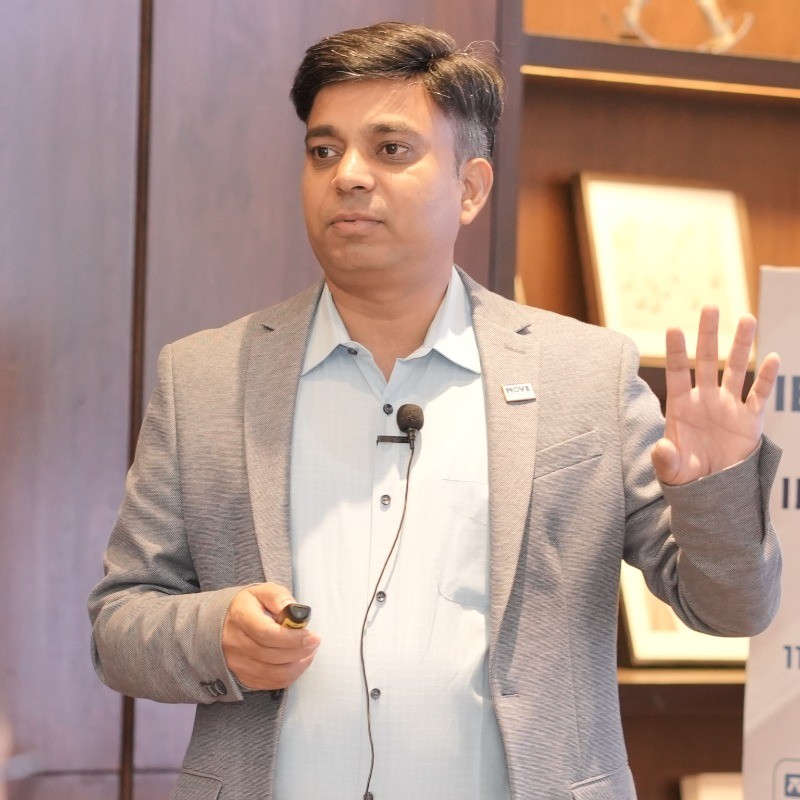
Dr. Amit Kumar,
Managing Director, BioAxis DNA Research Centre (P) Ltd
Senior Member, IEEE; Immediate Past Chair, IEEE Hyderabad Section, India
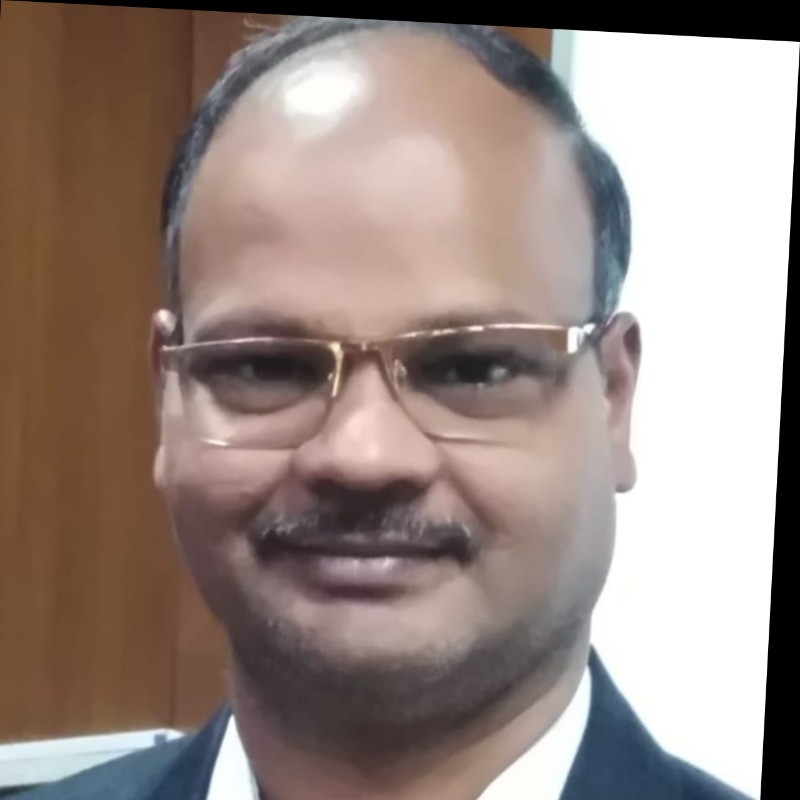
Dr. Solomon Raju Kota,
Chief Scientist & Head, Information and Communication Technologies Division (ICTD)
CSIR - National Aerospace Laboratories (NAL), Bengaluru, India
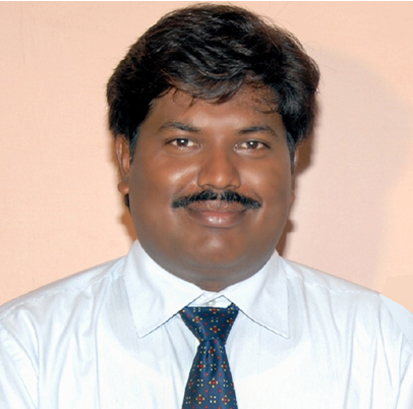
Dr. Noor Mahammad Sk,
Associate Professor, Computer Science and Engineering
Indian Institute of Information Technology, Design and Manufacturing (IIITDM) Kancheepuram, India
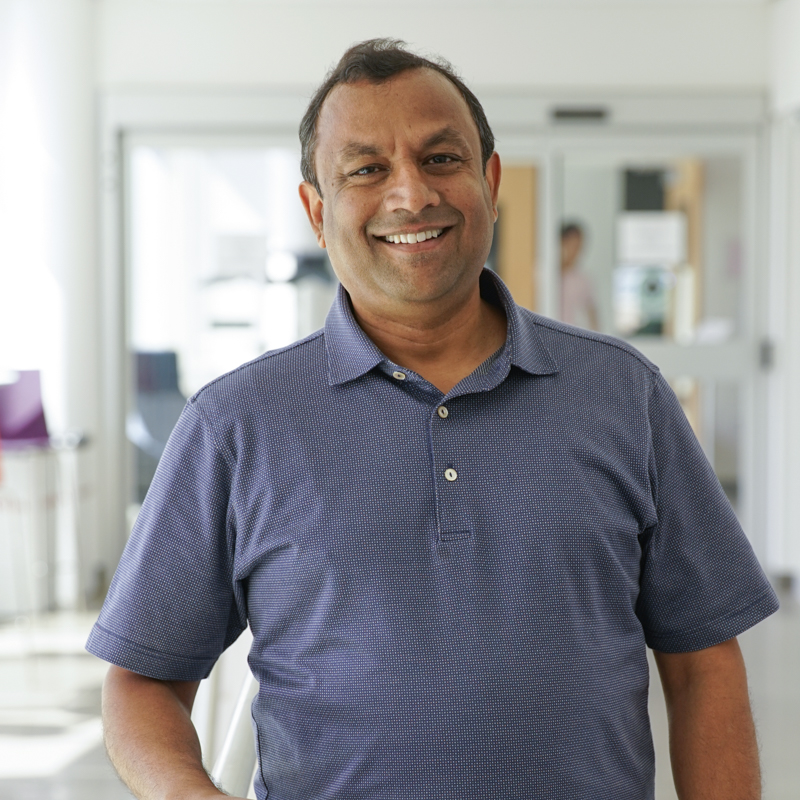
Ram Konduru,
Director of Executive Education, School of Computer Science
Carnegie Mellon University, Pittsburgh, USA

Prof. T. Kishore Kumar,
Professor (HAG), Department of Electronics & Communication Engineering
National Institute of Technology, Warangal, Telangana, India
PROGRAM COMMITTEE

Dr. Shahina A,
Professor and Head, Dept. of Information Technology
Sri Sivasubramaniya Nadar College of Engineering, Chennai, India

Dr. Srinivasan R,
Professor, Dept. of Information Technology
Sri Sivasubramaniya Nadar College of Engineering, Chennai, India
Organizing Committee
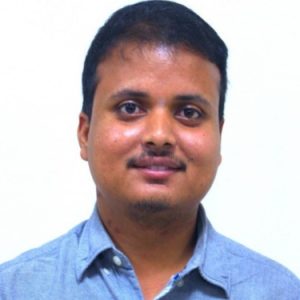
Dr. Arige Sumanth,
Assistant Professor, Dept. of Information Technology
Sri Sivasubramaniya Nadar College of Engineering, Chennai, India
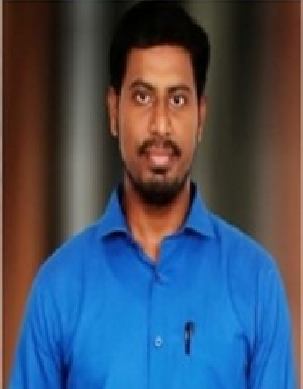
Dr. M.Mohamed Iqbal,
Assistant Professor, Dept. of Information Technology
Sri Sivasubramaniya Nadar College of Engineering, Chennai, India

Dr. N. Kalaichelvi,
Assistant Professor, Dept. of Information Technology
Sri Sivasubramaniya Nadar College of Engineering, Chennai, India
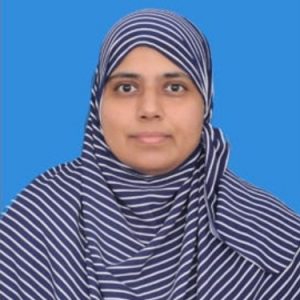
Dr. Sabireen H,
Assistant Professor, Dept. of Information Technology
Sri Sivasubramaniya Nadar College of Engineering, Chennai, India
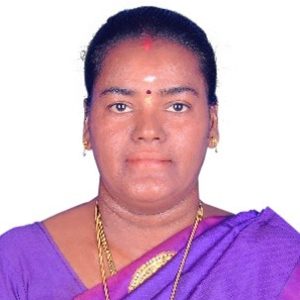
Dr P.Sudha,
Assistant Professor, Dept. of Information Technology
Sri Sivasubramaniya Nadar College of Engineering, Chennai, India
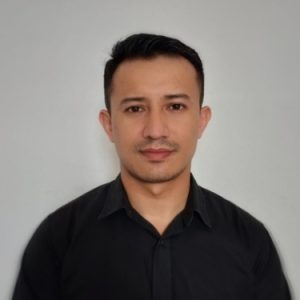
Dr. Nepoleon Keisham,
Assistant Professor, Dept. of Information Technology
Sri Sivasubramaniya Nadar College of Engineering, Chennai, India
KEYNOTE SPEAKERS
Will be updated soon.
PRE-CONFERENCE WORKSHOP
Will be updated soon.
CONTACT US
Address
The ICCCSP 2027 Team, Department of Information Technology
SSN College of Engineering, Kalavakkam - 603110
Tamil Nadu, India
For further queries, please write to
icccspit@ssn.edu.in